

Introduction: Procuring carbon credits at enterprise scale demands a structured, evidence-first approach. From the initial project shortlist to the final retirement certificate, each step must uphold high-integrity standards so that ESG, Legal, and Finance teams can approve with confidence. Below, we detail a 12-step playbook that guides you through due diligence, contracting, escrow or regulated settlement (e.g. via ADGM/ACX), and delivering board-ready documentation for audit-ready climate claims.


Step 1 — Shortlist High-Quality Projects
Begin by identifying credible carbon projects that meet your criteria (e.g. geography, project type, standard). Focus on verified Southeast Asian projects if that aligns with your strategy, leveraging any available independent ratings or benchmarks for quality. The goal is a curated shortlist of investment-grade candidates – projects with robust monitoring, reporting, and verification (MRV) records and respected methodologies.
Step 2 — Perform In-Depth Due Diligence
For each shortlisted project, conduct comprehensive diligence on its documentation and integrity. Verify the project’s certification under leading standards (e.g. Verra’s VCS, Gold Standard) and review its methodology, additionality, permanence, and leakage assessments. Confirm that each tonne is backed by traceable MRV documentation and falls under a valid methodology. If available, consider third-party quality ratings or audits to reinforce your confidence in the project’s integrity. The aim is to filter out any credits that might not hold up to scrutiny.


Step 3 — Validate Methodology and Standards Compliance
Ensure the project’s crediting methodology is accepted by relevant programs and aligns with your claim needs. High-integrity procurement means the credits should ideally meet criteria of frameworks like CORSIA or Article 6 if those are relevant (for example, CORSIA-approved credits must come from post-2016 projects and include host country authorization). At this stage, confirm the project’s standard registration ID and that no red flags (e.g. pending investigations or adverse findings) are associated with it.
Step 4 — Secure Internal Approvals & Issue an LOI
Compile a data room of your findings – including project documents, verification reports, and risk memos – and present this to internal stakeholders (ESG, Legal, Finance) for preliminary approval. Once the project and volume are agreed internally, move to a Letter of Intent (LOI) with the seller. The LOI will outline key terms (project, volume of credits, price or pricing formula, delivery timeline, and any conditions precedent) without yet binding the parties to transact. It serves as a good-faith agreement to move forward with a deal, often pending final due diligence and contract negotiation. At this stage, you may also negotiate substitution clauses (e.g. if some credits fail or are unavailable, the seller will provide others of equal quality) as a risk mitigant.
Step 5 — Negotiate the ERPA (Emission Reduction Purchase Agreement)
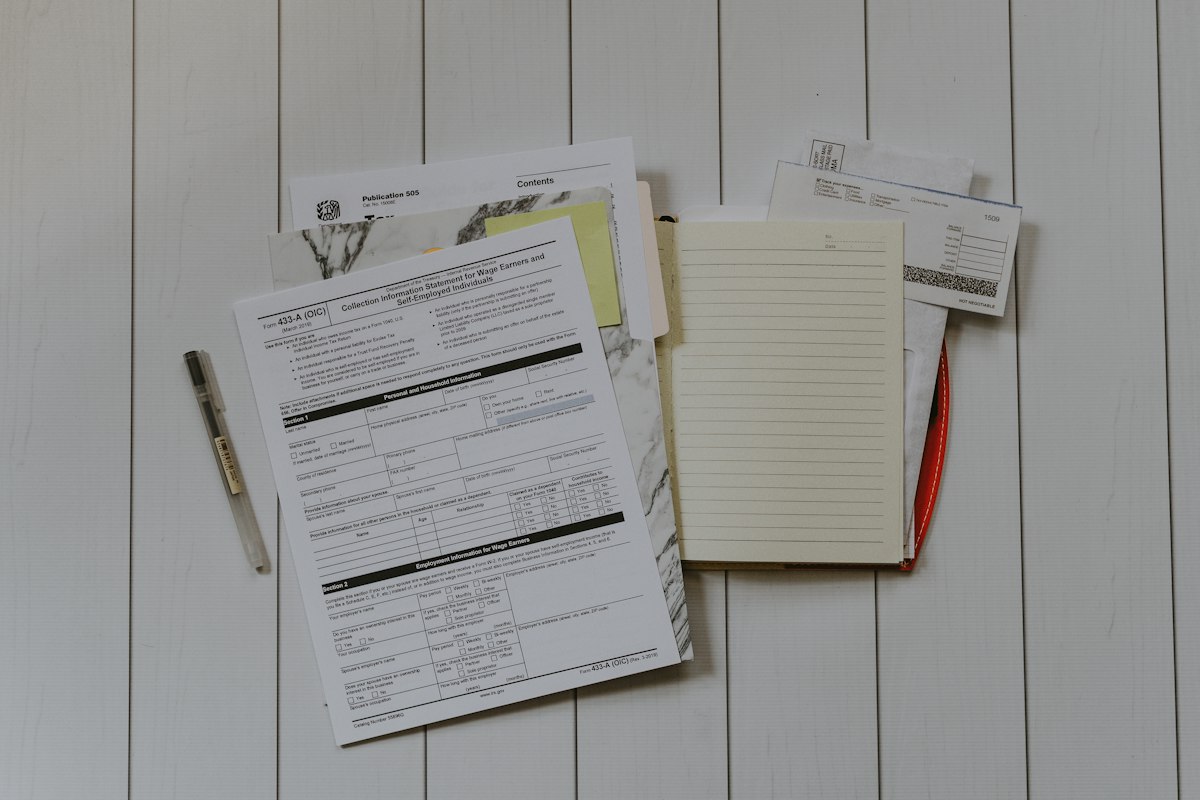
With an LOI in place, proceed to draft and finalize the Emission Reduction Purchase Agreement. The ERPA is the binding contract that governs the sale and purchase of the carbon credits. It should include detailed terms: the volume of credits (and acceptable vintages), unit price or pricing schedule, delivery dates or windows, quality assurances (requiring the credits to meet specified standards and methodology), and remedies if the project under-delivers. Leverage industry-standard documentation if possible – for example, the IETA template ERPA, which accommodates Verra and Gold Standard requirements. Pay special attention to clauses on “downgrade or re-rating” (i.e. if a credit’s quality rating drops, can it be replaced or price adjusted?) and substitution of credits. Ensure the ERPA clearly defines the serial numbers or at least the project batch of the credits to prevent any ambiguity about what is being sold. This contract, once executed, forms the backbone of an audit trail showing the buyer’s right to the specific credits.
Step 6 — Conduct KYC/AML and Risk Reviews
In parallel with contract negotiation, perform Know-Your-Customer (KYC) and anti-money-laundering checks on the counterparties. High-volume carbon transactions should only proceed once both buyer and seller (and any intermediaries) are vetted for compliance with sanctions, AML laws, and other regulations. Include a non-circumvention clause in agreements – this ensures that the parties cannot bypass any intermediaries or re-route the deal illicitly. It’s also prudent at this stage to agree on any governance conditions: for instance, if your organization requires board sign-off or regulatory notification before finalizing the purchase, align on those checkpoints now.

Step 7 — Set Up Escrow or Regulated Settlement
To minimize counterparty risk, arrange for escrowed funds or a regulated trading venue to facilitate the exchange. In an escrow arrangement, the buyer will deposit the payment into a neutral escrow account managed by a trusted third-party (e.g. a bank or escrow agent) rather than paying the seller directly upfront. The escrow instructions should stipulate that funds are released to the seller only after the agreed carbon credits (by serial number) are confirmed transferred or retired for the buyer. Alternatively, use a regulated carbon exchange/platform such as one under Abu Dhabi Global Market (ADGM) like the AirCarbon Exchange (ACX). Such venues often provide clearing services, matching credit delivery with payment in a secure environment. Both escrow and regulated venues enforce serial-level custody, meaning every credit’s unique ID is tracked through settlement. This step builds trust: the seller knows payment is secured, and the buyer knows credits will be delivered (or funds return if not).
Step 8 — Finalize Pricing and Fund the Transaction
Just prior to execution, confirm the final pricing and total payment amount per the contract (factoring any index or forex adjustments if included). The buyer then funds the escrow or exchange account with the agreed amount. This might be a full pre-payment into escrow or a margin if using an exchange, depending on the settlement model. Lock in the payment on the agreed schedule so that when credits are ready to move, there’s no delay. At this juncture, also double-check that all account details are correct: the seller’s registry account and the buyer’s account (or retirement account) information should be verified to avoid any transfer errors.


Step 9 — Open or Prepare Registry Accounts
Ensure the infrastructure for credit delivery is in place. If the buyer doesn’t already have an account on the relevant carbon registry (e.g. Verra Registry, GS Registry), open one in advance – large volume buyers typically need their own registry account. Registry setup can involve fees and KYC, so handle this early. Alternatively, decide if the credits will be directly retired on the registry on behalf of the buyer (some buyers prefer not to manage an account and instead request the seller or broker to immediately retire the credits in the buyer’s name). In either case, have the receiving details ready: the exact account ID or the retirement beneficiary name and text to include on the retirement record (often companies add a note about the purpose of retirement, e.g. “Retired on behalf of [Company] for 2025 emissions offset”). By preparing registry accounts and details now, you enable a smooth transfer when executing.
Step 10 — Execute the Carbon Credit Transfer/Retirement
This is the core delivery moment. The seller (or project originator) transfers the carbon credits in the registry from their account to the buyer’s account. In a scenario where immediate retirement was agreed, the seller will retire the credits directly into the registry in the buyer’s name (or an appointed retirement account) rather than transferring ownership. Each credit carries a unique serial number, and the registry records this movement or retirement against those serials. For example, if using the Verra registry, once the transfer is initiated, the buyer’s account will show incoming VCUs with their project ID, vintage, and serial range. If retiring, the registry will mark those serial numbers as retired and list the reason/beneficiary so they can never be traded again. At the moment of confirmed transfer or retirement (often evidenced by a registry notification or visible entry), the delivery obligation is met.


Step 11 — Complete Settlement and Release Payment
Upon confirmation that the specified credits have been received in the buyer’s registry account (or successfully retired on their behalf), the settlement is finalized. The escrow agent will now release the funds to the seller as per the escrow agreement, or if using an exchange like ACX, the platform will automatically credit the seller’s account with the payment, completing the trade. It is critical at this stage to obtain transaction confirmations: for escrow, a notice of release; for exchanges, a trade confirmation statement. Both parties should also save the registry receipt or record (often a PDF or screenshot from the registry system showing the transaction ID, date, involved accounts, project name, and serial numbers of credits). This documentation serves as proof of delivery and is essential for future audits or any dispute resolution.
Step 12 — Issue the Retirement Certificate and Documentation Pack
The final step is delivering a board-ready documentation pack to officially close the loop. This typically includes a Retirement Certificate or Transfer Certificate – a formal document stating that [X] tonnes of CO₂ have been retired on [date] from [project] on [registry] on behalf of [Company]. If the credits were transferred (not immediately retired), provide a Transfer Confirmation along with guidance that the company must retire them before making offset claims. Include a full serial number list of the credits in question, as extracted from the registry. Crucially, also provide plain-language claim guidance: many brokers (including Carbon C) supply pre-approved claim wording aligned to standards for the buyer’s ESG or PR teams. This might reference that the company has used Verra-registered credits or is making a climate contribution in line with, say, VCMI guidance. All records should be version-controlled – meaning that any changes or updates (e.g. if some credits were replaced via a substitution clause) are logged and the final versions are clearly labeled. By the end of Step 12, the purchasing company holds a defensible, audit-ready set of documents: proof of purchase, proof of retirement, and approved language to describe the impact. Their decarbonization effort has gone from an initial LOI all the way to a credible, claim-safe outcome – with every step documented from source to certificate.


Conclusion
Following this 12-step playbook helps ensure carbon procurement is transparent, trustworthy, and aligned with enterprise governance standards. From meticulous due diligence to escrowed settlement and final retirement, each step fortifies the integrity of the credits and the claims you can make. By the time you present the retirement certificate to your board or auditors, you’ll have a clear audit trail and a high-integrity climate outcome that can stand up to scrutiny.